





The Choice to Wish Merry Christmas vs. Happy Holidays
Hello, friends! The holiday season is officially here — the twinkling lights, the hot cocoa, the nonstop to-do lists, and yes… the age-old “Merry Christmas vs. Happy Holidays” decision that so many small businesses wrestle with. It seems like such a tiny choice, but if you’ve ever paused before hitting “publish” on a post or writing your holiday emails, you know it carries a lot more weight than people realize.
For me, and for us here at Simply Sunni, we proudly say “Merry Christmas.” It’s part of who we are, how we grew up, and how we choose to share warmth and joy during this season. And friend, I know how personal this decision can feel — especially when you’re trying to balance your heart, your brand, and the diverse audience you serve.
So grab your cocoa, put on a little Mariah Carey (because… obviously), and settle in with your notebook. I’m walking you through why we made our decision, what it means for our business, and how you can confidently make the choice that feels right for yours. My hope is that this gives you clarity, confidence, and a whole lot of peace as you craft your holiday messaging this year.
The Age-Old Seasonal Dilemma
No matter which way you prefer, there is one reason for any version of a greeting when you enter and exit a place of business. This small acknowledgment is an expression that conveys a greeting and promotes a happy overall feeling. For Simply Sunni, my videos all start with “Hello, my friends.”
Examples of some well-known sayings are:
- Welcome to Walmart
- Welcome to Moe’s
- Trader Joe’s – Ahoy, there!
- Disney’s Haunted Mansion- Welcome, Foolish Mortals.
Now, those are super fun, but they are not connected to any season or festivity, only the welcoming of a guest. Suppose you want to welcome someone into the season of giving and merriment. In that case, there are many ways to express the sentiment and spread cheer.
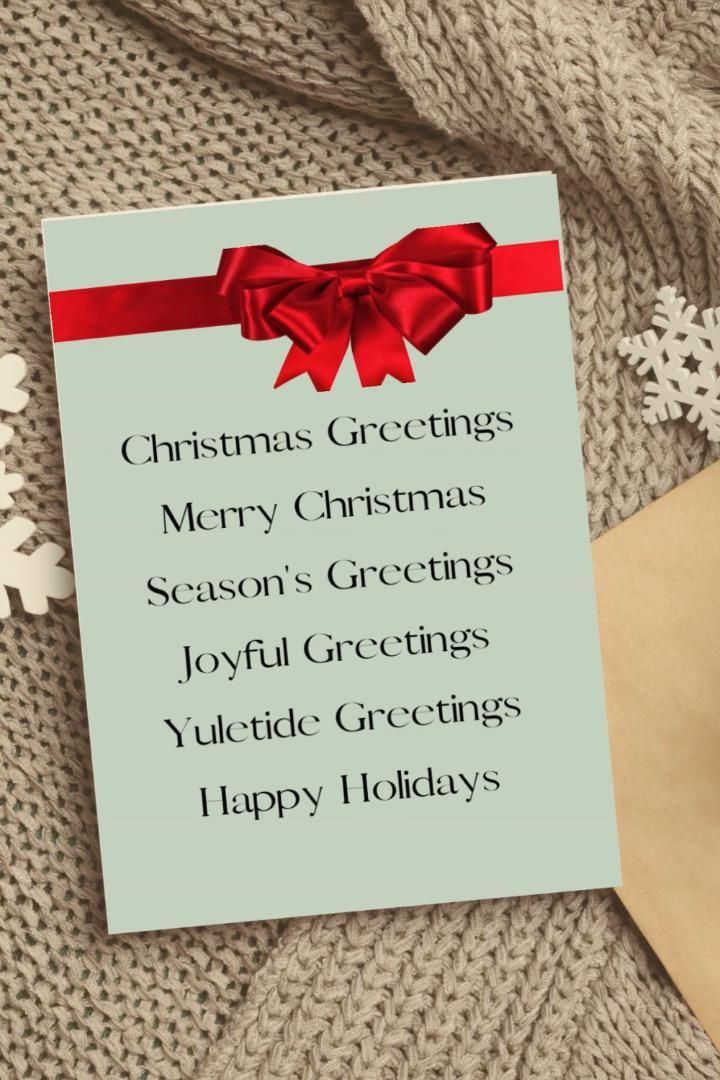
According to the experts at Hallmark, standard Greetings for the end of the year festivities include:
- Christmas Greetings
- Merry Christmas
- Season’s Greetings
- Joyful Greetings
- Yuletide Greetings
- Happy Holidays

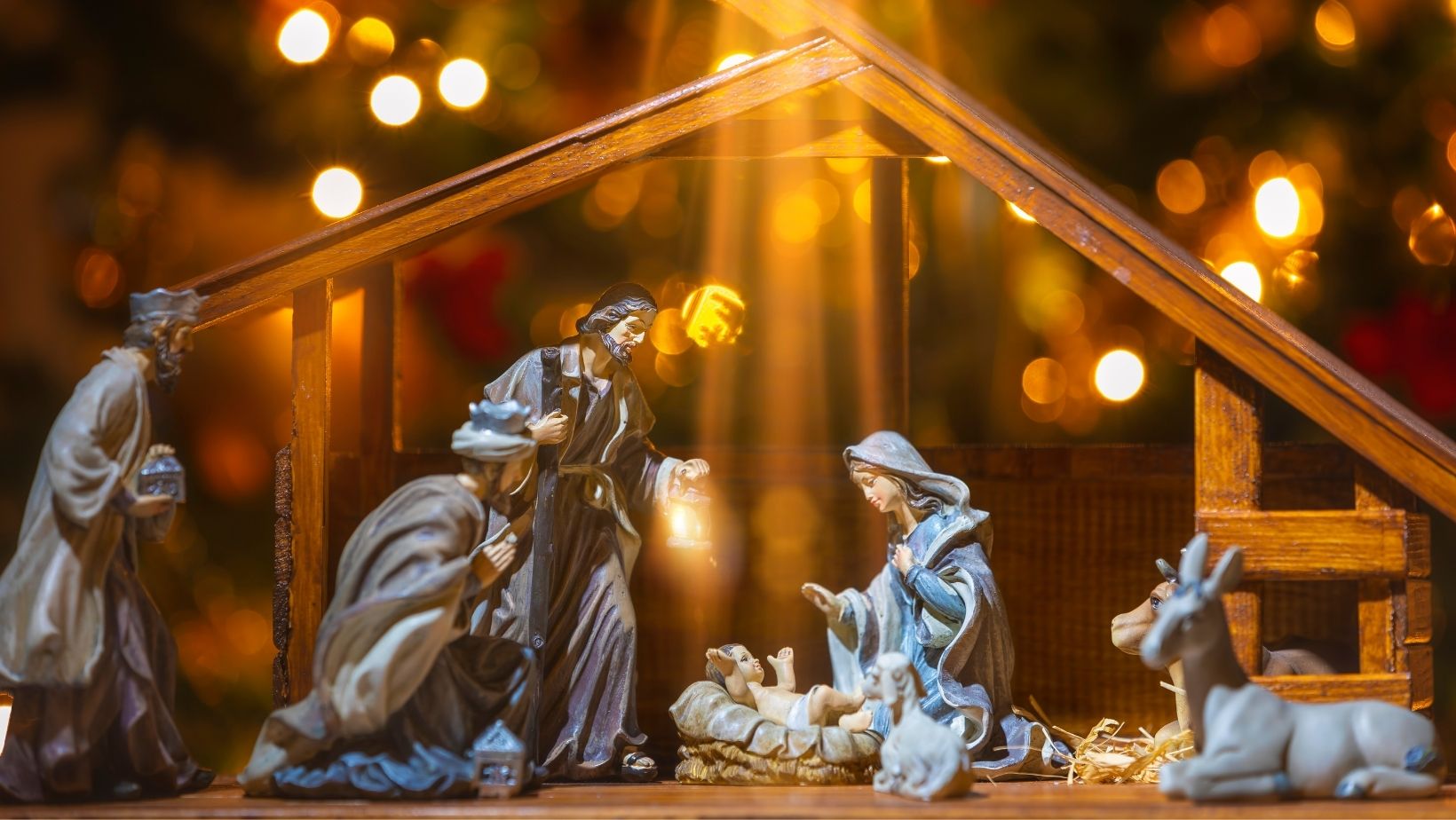
It all began with…
Let’s explore the history of each greeting, shall we? I will keep it short, as I am not a huge history fan.
Merry Christmas
While it may seem obvious, this greeting is of Christian origin. It refers to the Biblical event, the birth of Christ, over 2000 years ago. According to Time Magazine, “Merry Christmas” was thought to be linked back to “Do You Hear What I Hear” from the 16th century. Others say it was from another carol of the same period: “God Rest Ye Merry, Gentlemen.”
For more information on the source of all sources, look at this book entitled Christmas Past: The Fascinating Stories Behind Our Favorite Holiday’s Traditions by Brian Earl.
Happy Holidays
In 1863, it was discovered that “Happy Holidays” appeared first in the Philadelphia Inquirer. Then, Carolina Magazine encouraged the gifting of tobacco. From there, many companies began to use the saying. These companies sought to be more inclusive of all the holidays encompassed in the two months.
So, I deduce Happy Holidays can refer to Happy Boxing Day. 😉
Over Time…
In 2005, the official “War on Christmas” erupted, turning a simple greeting into a divisive political statement. Whether you are a Christian or of another faith, a Republican or a Democrat, this statement has become a hot topic.
I am sure you have heard the debates have been posted on radio programs, social media, and higher platforms. Numerous publications, political debates, books, and more have been involved. According to NBC…
“The primary function of both greetings now is to characterize the speaker, serving as a badge of group identification.”—NBC News Think.
Whether you mean to make the statement in a stand for all things religious or political, it can indeed be taken that way.

Why does the Happy Holidays or Merry Christmas debate exist?
You may not realize that the year’s busiest season, from November to January, is filled with all sorts of holidays, religious and non. There is- in order- Thanksgiving, Hanukkah, Christmas, Kwanzaa, and New Year’s Eve. But then there are the more minor holidays woven in there, like Black Friday, Small Business Saturday, Cyber Monday, Advent, Pearl Harbor Day, Winter Solstice, Boxing Day, and, for heaven’s sake, National Fruitcake Day!
So yes, I would love to wish everyone I see a Happy Holiday Season! After all, no matter your reason for celebrating, “celebration” is good for the soul!
That said, those celebrating Christmas may want to refer to Merry Christmas when specifically referring to December 25th. At least, I do.
So, what should a business owner do? The decision is a personal choice that should be made throughout the company to keep branding consistent. And if you know Simply Sunni, you understand how vital consistent branding is!
So, after all that, let’s dig a bit deeper!

Understanding Your Audience
Choosing between “Merry Christmas” and “Happy Holidays” (or other holiday greetings) can indeed have various impacts on your business. First and foremost, you must understand your customer/audience base. Then, you’ll need to determine the effect of choosing one greeting over another.
In the next sections, I’d like to break down some of the possible outcomes:
Customer Perception in Your Holiday Greeting
When determining the way your greeting might be received, the two choices, in the simplest terms, involve either inclusivity or specificity. “Happy Holidays” is seen as more inclusive, covering multiple holidays and belief systems. “Merry Christmas” is more specific and may resonate deeply with those celebrating the Christian Christmas.
Not only will your choice matter to the customer/audience, but to your brand as well. As you know, your brand image should always remain consistent. Remember, your choice may shape how customers perceive your brand’s values and mission. Saying “Merry Christmas” could attract customers who appreciate your openness about your faith. And for many, it will encourage trust in your brand. On the other hand, saying “Happy Holidays” could attract a diverse clientele who value inclusivity. Both serve the same goal, depending on your brand and intention.
Customer Loyalty with Christmas Wishes
A greeting that aligns with your core customer base’s beliefs could strengthen customer loyalty. When I see a symbol of faith in a product or advertisement, I value the content more. This is because I believe we, as Christians, are held to a standard of honesty. However, that does not mean those wishing a happy holiday are untrustworthy – not at all. Then again, you may alienate customers who don’t feel represented by your chosen greeting – which goes for either greeting.
Are there Legal and Social Concerns?
While it’s generally not illegal to use either greeting, small business owners may want to consider specific local or industry regulations that might apply. That is especially important if your business operates in multiple regions or countries.
Another consideration is whether you will suffer from social media backlash. One small choice like this can go viral, and both positive and negative feedback have the potential to significantly impact your online reputation.
Narrowing Down to Community Relations
Now, this applies most when referring to a local small business. Your greeting choice might resonate differently depending on the cultural or religious makeup of the community where your company operates. Consider the climate around your business and physical communities and choose accordingly.
If your small business has a global customer base, an inclusive greeting like “Season’s Greetings” or “Happy Holidays” may be better received internationally.
Remember, there’s no one-size-fits-all answer, and the impact can vary based on your specific industry, location, and customer base. I recommend business owners weigh these factors carefully when making their decisions.
What Big Chain Companies Are Saying
Major chains often get creative with holiday greetings to stand out and make a memorable impression on customers. While they may not necessarily always dive into the “Merry Christmas” vs. “Happy Holidays” debate, they definitely bring their own flair to seasonal salutations. Here are some funny and iconic greetings and campaigns major chains are known for:
Happy Holidays Camp
Starbucks: Every year, the company’s red holiday cups become a topic of conversation. While the cups themselves aren’t a greeting, they’ve sparked debates and discussions about holiday inclusivity.
Coca-Cola: Known for their iconic “Holidays Are Coming” commercials featuring the Coke trucks decked out in lights, Coca-Cola goes for a non-specific but widely recognizable holiday greeting.
Old Navy: This company is known for its lighthearted and humorous commercials. Their holiday ads often feature catchy jingles and slogans like “HoliYAY.”
Team Merry Christmas
Macy’s: Known for the Thanksgiving Day Parade, Macy’s often goes with the uplifting “Believe” campaign during the holiday season.
Old Navy: This company is known for its lighthearted and humorous commercials. Their holiday ads often feature catchy jingles and slogans like “HoliYAY.”
IKEA: Known for its Swedish roots, IKEA sometimes incorporates “God Jul” (Merry Christmas in Swedish) in its holiday campaigns, offering a different cultural take on the season.
KFC: In Japan, KFC has made eating chicken a Christmas tradition. While not a greeting, their message has become iconic in its own right: “Kentucky for Christmas!”
Chick-fil-A: Overtly Christian, they say Merry Christmas as well as statements like “My Pleasure.”
Our Stance at Simply Sunni
As a Christian business owner, I choose both! Now, before you think that is lukewarm or wishy-washy, let me explain. At Simply Sunni, we say “Merry Christmas” when that is what we mean. When referring to the Christian holiday celebrated on December 25th, the birth of Christ, I am not afraid to call it like it is.
In other instances, I may say “Happy Holidays” when I more broadly wish greetings and joy throughout Thanksgiving through New Year’s Day. Personally, I believe “holidays” means the entire season of festivities and cheer (along with a great deal of business and stress, lol ).
Anyone who reads and follows this site will eventually know the faith-based community we walk in. And we consistently encourage our readers to embrace the beauty and joy in life. Therefore, we fit into both camps for different reasons. Make sense?
So, Happy Holidays or Merry Christmas?
Okay, now that we have put the information out there for you, what is your decision?
In review, your choice may be determined by the following key points:
- Understanding Your Audience
- Customer Perception in Branding
- Legal and Social Implications
- Community Relations
In the end, your business is yours! As business owners, we make daily decisions that impact our company’s growth and public perception. In my opinion, this should not be a debate but an opportunity to express well wishes to all. Spread joy, my friends! And Happy Holidays and Merry Christmas to all.
FAQs
Is it politically correct to say Merry Christmas?
While saying “Merry Christmas” is generally accepted, some people prefer using “Happy Holidays” to be more inclusive of various cultural and religious celebrations during the holiday season.
Is it illegal for businesses to say Merry Christmas?
No, it’s not illegal for businesses to say “Merry Christmas.” However, some companies use “Happy Holidays” to include everyone celebrating different holidays.
Why do people say Happy Holidays instead of Merry Christmas?
The term “Happy Holidays” is often used to include all the holidays that occur in December, not just Christmas. This includes Hanukkah, Kwanzaa, and even the New Year.
Can saying Merry Christmas affect my business?
It could, depending on your customer base. Some may appreciate the “Merry Christmas” greeting, while others may feel excluded.
What’s the history behind saying Merry Christmas?
“Merry Christmas” has been used since at least the 16th century. It gained widespread usage in the 18th and 19th centuries and is deeply rooted in Christian traditions.
How can I decide what to say in my business?
Consider your audience and your own values. If your customer base is diverse and you want to be inclusive, “Happy Holidays” might be a better fit. “Merry Christmas” could be more appropriate if your audience shares your Christian beliefs.
Are there other holiday greetings I can use?
Absolutely! Other greetings include “Season’s Greetings,” “Happy Hanukkah,” “Joyous Kwanzaa,” or even specific New Year wishes.
What do customers think about this debate?
Customer opinion varies. Some appreciate a specific holiday acknowledgment, while others like a more inclusive approach. Listening to customer feedback can provide valuable insights.
How have other businesses approached this?
Strategies vary widely. Some businesses stick strictly to one greeting, while others may change their approach depending on the location or customer base.
Is it okay to switch between the two greetings?
Sure, some businesses opt for a mixed approach, using both greetings in different contexts or at other times.